In late June 2026, hundreds of thousands of Year 9 pupils sit the national brevet diploma. But the exam is only one step: right behind it lies the question of next term. If work-study appeals to you, now is the time to move forward on both fronts at once.
In short: the written brevet 2026 exams take place on 26, 29 and 30 June, and the results are published between 8 and 10 July depending on the académie, on resultats.examens-concours.gouv.fr. After Year 9, work-study is open from age 15 to prepare a CAP or a vocational baccalauréat: don't wait for the results to look for your company, because apprentice recruitment is concentrated between spring and September.
What is the brevet 2026 timetable?
The written exams of the national brevet diploma (DNB) are grouped over three days at the end of June, after the oral defence exam taken earlier in the year. Here are the official dates to remember:
| Date | Exam |
|---|---|
| Friday 26 June 2026 | French |
| Monday 29 June 2026 | History-geography–civics, then science |
| Tuesday 30 June 2026 | Mathematics |
| 8–10 July 2026 | Results published (date depends on the académie) |
| 10–11 September 2026 | Make-up session |
The oral defence exam can take place from 15 April 2026. Candidates absent in June for a genuine emergency are called to the make-up session on 10 and 11 September.
"Publication times vary from one académie to another. No result is made public before the scheduled date and time." — French Ministry of Education, DNB 2026 results publication calendar
Each académie sets its own exact publication date and posts results on its portal as well as on display in schools.
What to do after Year 9 if you're aiming for work-study?
The brevet certifies what you learned in lower secondary, but it is not required to start an apprenticeship. After Year 9, several paths open up: the general and technological upper-secondary track, the school-based vocational track, or apprenticeship. The last lets you prepare a diploma while being employed by a company.
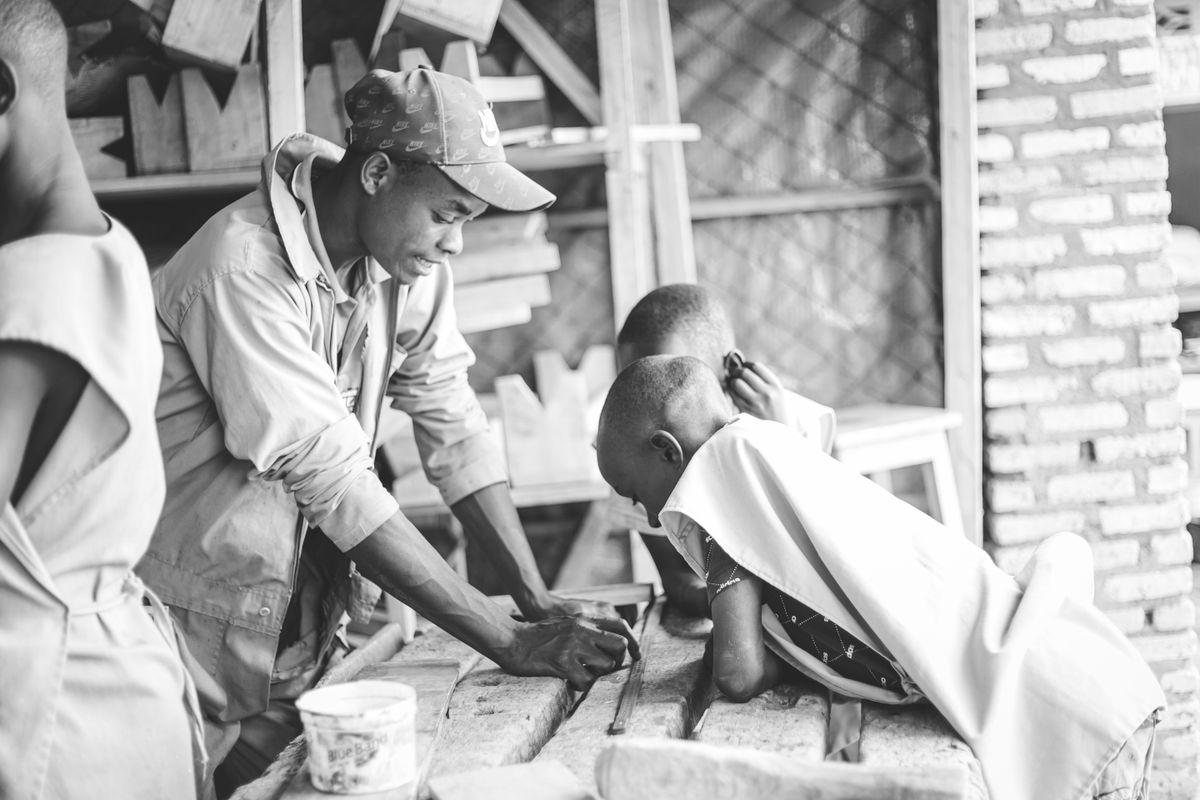
In practice, apprenticeship is open from age 15, provided you have completed your final year of lower secondary (3e). If you are not yet 15 at the start of term but turn 15 before 31 December, you can start the training with school-pupil status in a vocational lycée or a CFA. You can then prepare, through work-study:
- a CAP (vocational aptitude certificate), in two years in the vast majority of cases;
- a vocational baccalauréat, to aim for a higher qualification level;
- other vocational-track diplomas depending on the CFA and the trade.
Training alternates between an apprentice training centre (CFA) — or a partner vocational school, a rural family home — and a company. To find the right course, explore the catalogue of work-study programmes and review the trades that are hiring.
How to enrol and find your company?
Two steps run in parallel. On one side, post-3e guidance choices go through the Affelnet platform in spring, led by your school. On the other, apprenticeship means finding a host company and enrolling in a CFA offering the chosen course. Some CFAs help young people who don't yet have a contract with this search.
The key point: don't wait for the brevet results to look for your employer. Companies recruit their apprentices between spring and September, and places go fast. Start applying now by browsing the available work-study offers, and lean on our method to find a company for work-study. Good to know: the law gives you a three-month window after training starts to sign the contract — but signing before term secures your place.
How much does an apprentice earn, and what support is available?
In an apprenticeship, training is free for the apprentice and every month brings a salary. It corresponds to a percentage of the SMIC (raised to €1,867.02 gross per month on 1 June 2026) or of the collective-agreement minimum, varying by age and contract year. For a minor in the first year, pay starts at a reduced percentage of the SMIC, then rises each year. Estimate yours with the pay calculator.
On top of this come several boosts — housing aid, mobility support, equipment depending on the region and sector. Review the schemes on our financial support page so you don't miss anything before September.
The brevet closes lower secondary; work-study opens the company door from age 15. By running the exam and the employer search side by side, you reach results day with peace of mind — and the new term with a contract in hand.