The green transition is no longer a topic for the future: it is a labour market that is hiring today. Energy renovation, renewable energy, waste and water management… these sectors need hands and skills, and work-study is the ideal way to train for them while being paid. Here are the green jobs recruiting in 2026 and how to get into them.
In short: you can train for green and greening jobs through work-study, from vocational certificate to master's level, without necessarily taking a science baccalaureate. In 2024, 361,000 people already held an environment-focused job and, according to an SDES study covering 2019, nearly 3.8 million workers (14% of employment) held a job that is "greening". The most promising sectors are construction and energy renovation, renewable energy and transport. During the contract, your pay follows the statutory scale (a percentage of the minimum wage).
Why train for green jobs in 2026?
The weight of the green economy in employment is already considerable. According to the statistics service of the Ministry for the Ecological Transition, 361,000 people held an environment-focused job in 2024 (1.2% of employment), and above all, according to its previous study covering 2019, 3.8 million workers — 14% of total employment — hold a "greening" job, meaning one whose skills are evolving to integrate ecological issues.
The trend is clear on the hiring side. In 2023, 16% of the job offers filed with France Travail concerned green or greening jobs, led by construction-renovation and transport jobs. Energy renovation of buildings, driven by MaPrimeRénov' and housing-renovation obligations, is among the main job sources monitored by ADEME.
The green transition doesn't only create new jobs: it transforms existing ones. An electrician, a logistician or a salesperson can "green" their skills and become highly sought after.
That is precisely the winning logic for a work-study student: aim for an in-demand skill to maximise your chances of landing a contract, as our analysis of the work-study market in 2026 shows.
Which sectors and jobs are hiring?
The green transition runs through several industries, each with jobs accessible through work-study:
- Energy renovation and construction: heat-pump installer, HVAC technician (heating, ventilation, air conditioning), France Rénov' advisor.
- Renewable energy: wind or solar maintenance technician, photovoltaic panel fitter.
- Water, waste and cleanliness: water treatment technician, waste recovery operator, circular-economy officer.
- Management and consulting: CSR project officer, sustainable-development project manager, sustainable-mobility advisor.
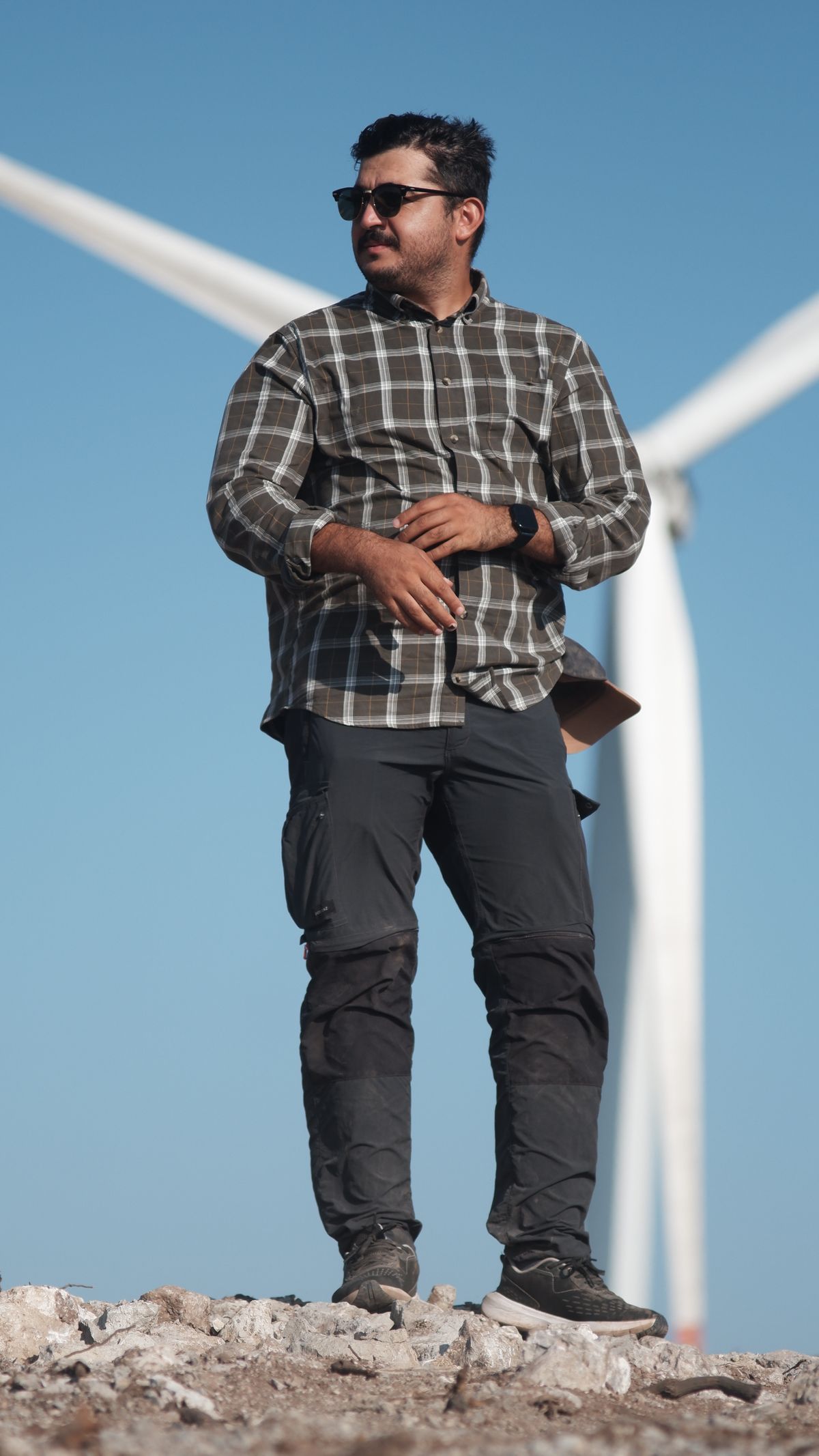
The construction and renovation jobs, along with those in transport, are the most in demand for both employers and candidates. To explore the ones that fit your profile, browse our job profiles and the catalogue of work-study courses.
Which work-study courses lead to the green transition?
Good news: there is no single entry point. A little over half (54%) of the people working in an environment-focused job have no diploma or at most a high-school diploma — hands-on skill and fieldwork count as much as the degree.
| Level | Work-study courses | Career paths |
|---|---|---|
| Vocational cert. / voc. bac | Thermal-installation fitter certificate, MEE, MELEC vocational bac | Installer, field technician |
| Bachelor level | BTS FED, water-industry BTS, thermal-engineering BUT, HSE BUT | Senior technician, account manager |
| Master's level | Environment master's, energy / environmental-engineering school | Engineer, project manager, CSR officer |
Most of these courses are taken under an apprenticeship contract or a professionalisation contract. If you're still hesitating between the two, our comparison apprenticeship or professionalisation helps you decide. And if you're drawn to digital applied to the environment, also read our guide to work-study in AI and data: data has become central to steering energy performance.
Pay and support: what to expect
Distinguish two moments. During the work-study contract, your pay does not depend on the sector but on the statutory scale: a percentage of the minimum wage based on your age and your year of the contract. Estimate yours with our pay calculator. After the diploma, in-demand energy and construction jobs pay well and offer solid growth prospects.
Also remember to tap into the financial aids (housing, mobility, equipment) that top up your work-study salary, especially if your course or company is far from home.
How to land your green work-study contract?
The sector is hiring, but a contract takes preparation: apply early and widely. The May-July period concentrates the most offers for a September start, and you have three months after the start of the course to sign. Target construction and energy companies, design offices, environmental services, but also local authorities and public bodies in the environmental field (such as ADEME), which also take on apprentices on concrete topics (energy, waste, circular economy, mobility).
Check the work-study offers regularly and tailor each application: in these jobs, motivation for the ecological transition often makes the difference. Training for green jobs in 2026 means choosing a growing, useful sector full of lasting jobs. Start your search now so you don't miss the back-to-school window.